
Geothermal Drilling and Oil-and-Gas Drilling: Shared Principles, Different Physics

If you have been working on a conventional rig and then wandered on to a geothermal drilling operation, the first thing that strikes you is how things seem pretty much the same. Same rotary equipment, same basic approach to casing programs, same thoughts about cement barriers, same pressure-control stacks. The second thing that strikes you (usually when something goes wrong) is that some of this equipment is being used in a fundamentally different physical environment than what you are used to. Hot water, natural fractures, steam. The single-phase assumptions that underpin most conventional well-control thinking do not hold here.
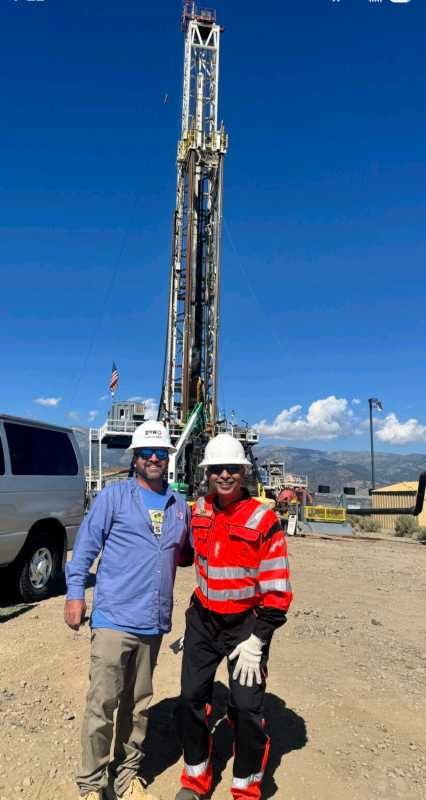
This is not such a bad problem for the oil-and-gas people, since it means that they do not have to start from scratch in figuring out how to do geothermal exploration and development. They can take a lot of their hard-earned knowledge about drilling, completions, well integrity, and operational risk management and apply it directly to the problem, to the extent that the comparison is valid. The issue here is that the comparison is not always valid. Some approaches map straightforwardly, while others can be downright dangerous if applied without care.
For engineers moving between the two sectors, the most useful approach is neither uncritical enthusiasm about geothermal potential nor rigid loyalty to conventional methods. It is being honest about where the physics actually differs and adjusting design criteria, well-control envelopes, and operating procedures accordingly.
A geothermal drilling team will recognize much of the rig equipment and many of the workflows used in conventional oil and gas. Rotary steerable systems, measurement-while-drilling (MWD) tools, polycrystalline diamond compact (PDC) bits, managed-pressure drilling (MPD) systems, and real-time data platforms are all in active use in geothermal projects. Yet the equipment must operate reliably in a more severe thermal and mechanical environment.
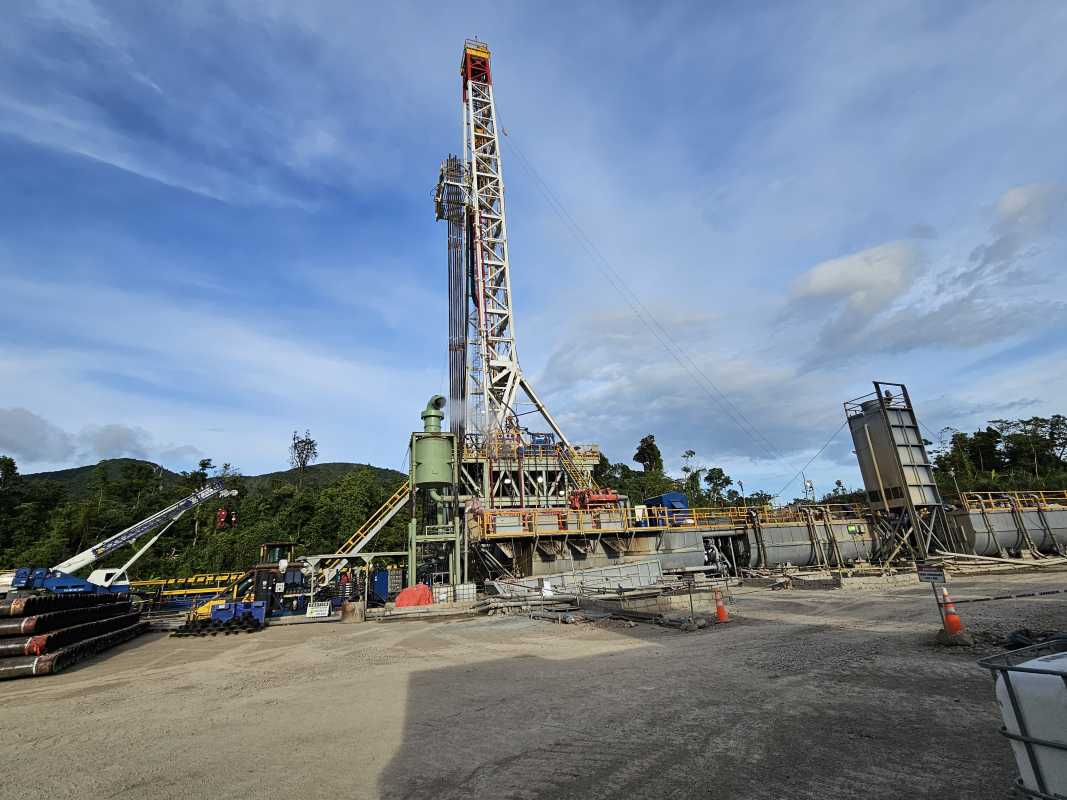
Downhole tools, elastomers, electronics, drilling fluids, cement systems, valves, seals, and measurement tools may all face temperature limits that are routinely exceeded in geothermal wells but less critical in many conventional operations. The U.S. Department of Energy's Geothermal Technologies Office (DOE GTO) has identified high-temperature bottomhole assembly (BHA) reliability as one of the primary barriers to cost-effective geothermal drilling, noting that drilling can account for more than 50% of total geothermal project cost (DOE GTO, 2024).
The challenge is not only surviving high temperatures. It is also managing temperature change. A well that is cooled rapidly during drilling, circulation, shut-in, intervention, or control operations can experience thermal stress in casing, cement, wellheads, and connections. Temperature and cooling rate should therefore be treated as operational integrity variables, not merely as fluid properties to record.
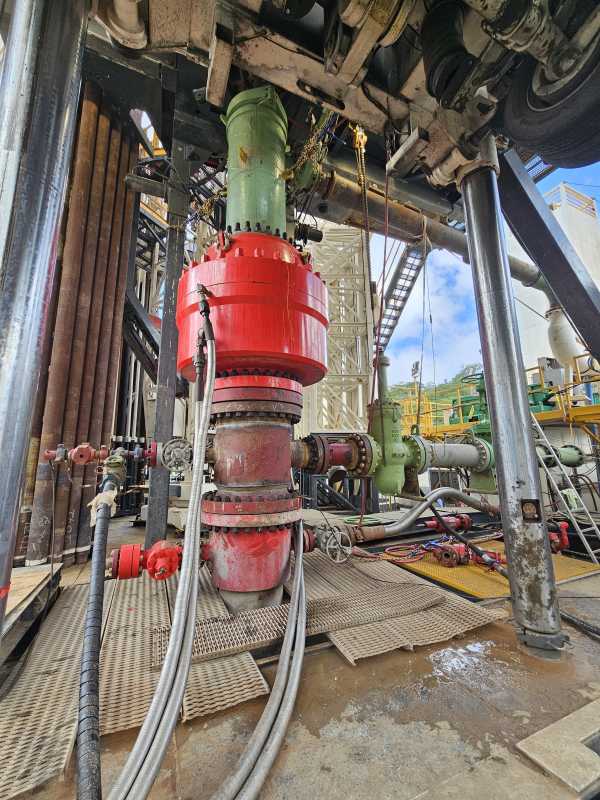
In practical terms, this means that a geothermal drilling program should treat thermal limits with the same seriousness that a conventional program treats pore-pressure and fracture-gradient limits. Tool selection, elastomer ratings, cement design, connection makeup, and contingency procedures all need an explicit temperature envelope, including the expected range during both continuous circulation and shut-in recovery.
There is a tendency in both industries to reduce well behavior to pressure-volume relationships. That works up to a point, then it breaks. Real gas does not follow a simple PV relationship. It depends on temperature, composition, and compressibility captured by the Z-factor in:
PV = nZRT
where Z is the compressibility factor, n is the number of moles, R is the universal gas constant, and T is absolute temperature. Even in conventional oil-and-gas operations, temperature is never truly irrelevant. Anyone who has managed a gas kick in an HPHT well, or tried to optimize a gas-lift system, knows that pressure and temperature are coupled. The purely isothermal model is a simplification we are willing to make because it is good enough. Geothermal claims no such tolerance.
The fundamental difference in geothermal wells is that the working fluid is not confined to a single phase: hot water flashes to steam and may re-condense back to liquid in response to dynamic pressure and temperature changes along the wellbore. This is a multivariable thermodynamic process governed by the steam tables and liquid-vapor phase equilibrium rather than simple gas expansion laws. When water flashes to steam, its specific volume increases dramatically (over 1,600 times at atmospheric conditions), driving rapid fluid acceleration, gas expansion, and sharp surface pressure variations.
These effects may be unintuitive when interpreted solely through conventional single-phase or gas-flow models. They should therefore be evaluated using rigorous two-phase-flow and steam-water thermodynamic methods.
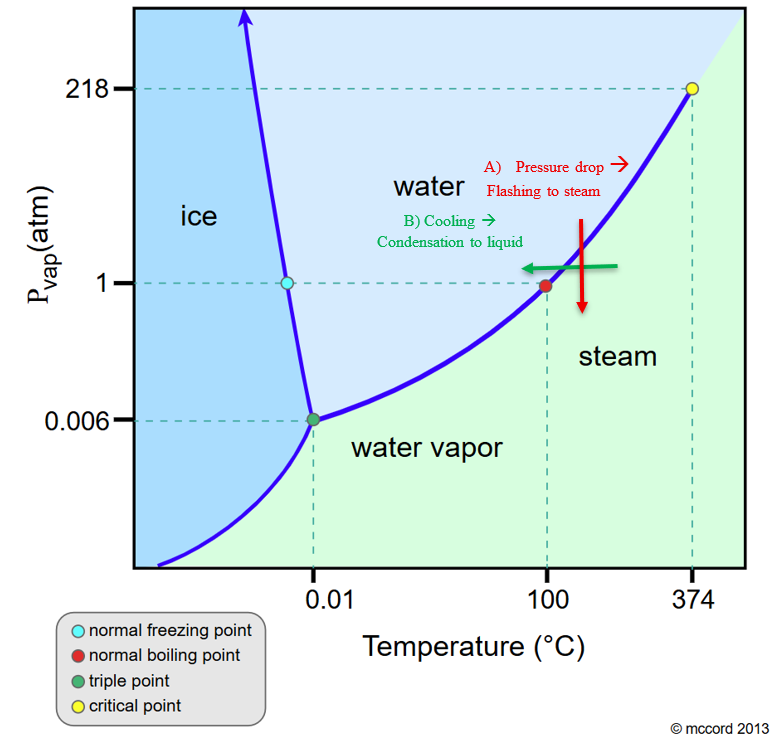
Table 1 Key physical contrasts between conventional oil-and-gas and geothermal wells. Sources: DOE HGEO (2024); Finger and Blankenship (2010).
|
Factor |
Oil & Gas Wells |
Geothermal Wells |
|
Dominant fluid physics |
Liquid hydrostatics + gas expansion |
Liquid–vapor phase change (flashing/condensation) |
|
Typical temperature range |
Ambient to ~150°C |
Often 150–350°C+ |
|
Governing fluid relation |
PV = nZRT (gas zones) |
Steam tables / P-T phase equilibrium |
|
Formation character |
Often matrix porosity |
Frequently naturally fractured |
|
Primary integrity threat |
Pressure, corrosion |
Pressure AND thermal cycling |
|
Lost circulation severity |
Variable |
Often severe and persistent |
|
Well-control fluid |
Weighted mud (predictable density) |
Water/brine (density temperature-dependent) |
In a two-phase geothermal system, lowering pressure may not simply make the well safer. If hot water approaches or reaches saturation conditions, a pressure decrease can cause additional steam formation. Steam occupies approximately 1,600 times the volume of an equivalent mass of liquid water at atmospheric conditions. Even at elevated wellbore pressures, the volumetric expansion is substantial.
The practical lesson is straightforward: pressure reduction must be evaluated together with phase response. An operation that reduces wellhead pressure may still produce a more energetic two-phase flow condition downhole or at the surface. This is the opposite of typical oil-and-gas intuition, where reducing wellhead pressure generally reduces flow energy.
It means it cannot be taken generally and safely for granted. Before any of this happens, the team needs to establish what phase state the fluid will be in at a given depth in the well, whether a pressure drop will push conditions below the saturation curve, and whether the surface equipment, including separators, mud-gas separators, and blooie lines, can handle a sudden increase in the steam fraction that would result. These are serious questions that need to be answered before anyone touches the choke.
Every well has a pressure problem. A geothermal well has the additional challenge of a temperature problem that is just as likely to cause a failure. The downhole equipment and casing are subjected to rapid cooling by cold injection fluid, long-term shut-ins for recovery, or a well-control kill. This type of cooling creates enormous stress on the casing, cement sheath, wellhead, and connections. Metals contract when cooled, causing distortion, and the integrity of the system is compromised. The cement sheath, which has seen several cycles over the producing life of the well, has less tolerance for the additional stresses that might have been acceptable when the well was initially placed on production.
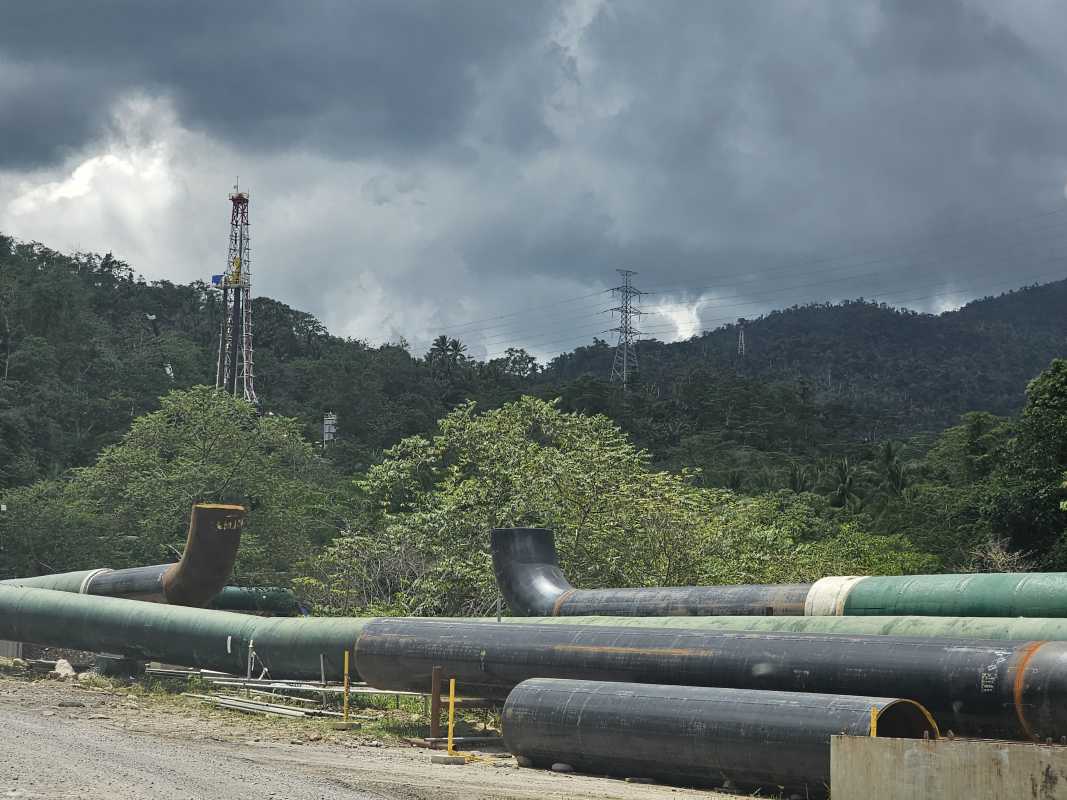
A well that appears to be within pressure limits may also have serious temperature-related problems that shorten its useful life. A technically sound geothermal operational plan should therefore define more than allowable pump pressure and formation fracture constraints. It also needs to pin down:
- Injection-fluid temperature and maximum allowable temperature differential (ΔT)
- Maximum cooling rate (°C/hr) and expected thermal exposure duration
- Casing, wellhead, elastomer, and cement temperature de-rating limitations
- Stabilization and warm-up procedures after the operation
The Geysers geothermal field in California, being the largest producing geothermal complex in the world with installed capacity of approximately 725 MW, has faced a number of problems associated with wellbore shearing, casing damage, and cement degradation due to thermal cycling during injection operations (Majer et al., 2007).
As far as well integrity in geothermal operations is concerned, pressure, temperature, and the general mechanical condition of the well should all be considered together. While keeping a casing string within its pressure ratings is important, multiple quenching and heating cycles may open gaps in the cement sheath, deteriorate bonds, and overload connections. A pressure monitoring program alone will not capture the full integrity picture.
Lost circulation in geothermal drilling is a different animal from what oil-and-gas teams typically encounter. Oil-and-gas drilling experience losses from time to time, perhaps in a troublesome zone, a weakly consolidated formation, or from a drilling parameter that got away from them. In geothermal, losses into highly fractured igneous or volcanic rock are often expected as the norm. The fracture networks are extensive and highly conductive, and no mud weight design is going to give you a stable, continuous fluid column the way you would expect in a matrix-porosity reservoir. Fluid goes into the formation, frequently and in quantity.
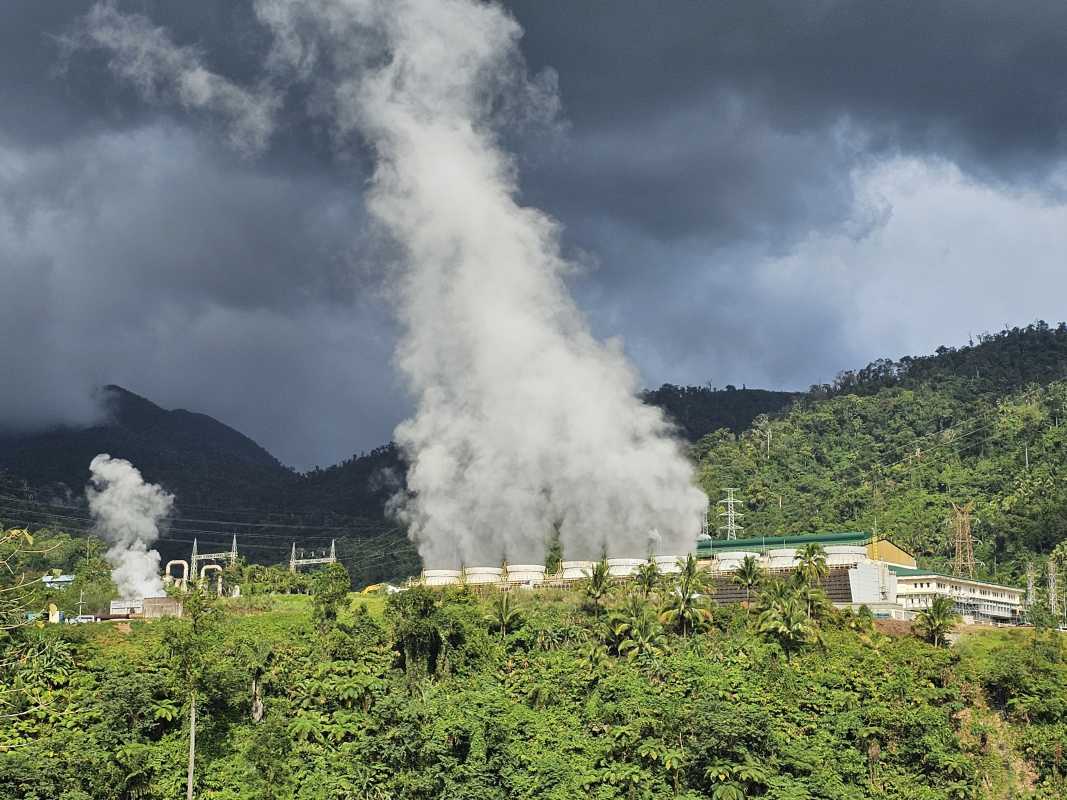
Injectivity should be scrutinized as much as losses. A sudden jump in the well's ability to take fluid is not automatically a sign that something productive has been reached. It might be the result of thermal fracturing around the wellbore, loss of a cement sheath seal, or fluid migrating behind casing rather than into the intended interval. The important question is not whether the well can take fluid, but why its injectivity characteristic has changed.
The methods carried over from oil-and-gas practice, including LCM treatments, squeeze cementing, managed-pressure approaches, and rigorous PVT tracking, are all applicable and worth using. What shifts is the interpretation threshold. Severe losses in geothermal are not a red flag that something went wrong; they are often what was planned for. The red flag is when injectivity changes in a way that was not expected, because that is when the well is signaling a change in its mechanical or hydraulic condition.
The Driller's Method is appropriate for wells where circulation is established, which in geothermal cases is often far from the truth. Large losses mean that a Wait-and-Weight kill fluid column will frequently not display the expected density behavior, circulation patterns become unpredictable, and shifts in steam fraction can make surface pressure readings misleading about what is actually happening downhole. This renders many standard well-control procedures inappropriate if applied mechanically without regard to the underlying physics. Not that such procedures should be discarded. Rather, it is essential to recognize the conditions under which they were developed, conditions that often rely on simplifying assumptions that do not hold in a geothermal well.
Instead, the kill strategy should be selected based on what is actually known about the well: whether circulating pressure was intermittent or stable, to what extent temperature-driven density variation dominated the pressure profile, what two-phase flow effects needed to be accounted for at multiple points in the system, and how temperature measurements can be used alongside pressure data to get a reliable picture of downhole conditions. Equally important is defining clear operating windows within which cold injection can be safely continued before unacceptable thermal stress accumulates. Finally, specific criteria must be established for abandoning conventional kill methods and switching to bullheading or capping if the former are no longer viable. All of this must be decided during planning and cannot be left to the pressures of the moment.
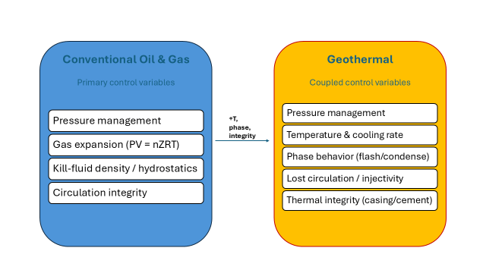
The oil-and-gas industry brings essential capabilities to geothermal: advanced drilling practices, high-temperature directional drilling, managed-pressure concepts, cementing and zonal-isolation knowledge, real-time data systems, well-integrity management, and operational risk discipline.
The U.S. Department of Energy's geothermal research programs have funded initiatives targeting improved drilling rates, advanced bits, and high-temperature downhole sensors (DOE GTO, 2024). These programs directly target the two gaps that have historically constrained geothermal economics: the scarcity of reliable downhole tools rated above 175°C, and the absence of purpose-built well-control procedures for two-phase fluid behavior in high-permeability fractured formations.
Recent funding opportunities from the DOE for next-generation geothermal field-scale demonstrations and exploration drilling further signal that the technology-transfer window between oil-and-gas and geothermal is actively expanding.
For students, young professionals, and practicing engineers across the energy community, this represents a major technical career pathway. Skills already developed in HPHT wells, MPD, cement evaluation, real-time operations centers, and well-integrity management map directly onto geothermal needs, provided they are paired with steam-table literacy, thermal-stress awareness, and a willingness to revise well-control intuition where phase behavior demands it (Project InnerSpace and SPE, 2024).
Table 2 Selected oil-and-gas capabilities and their geothermal applications. Sources: DOE HGEO (2024); Finger and Blankenship (2010); Project InnerSpace/SPE (2024).
|
O&G Capability |
Geothermal Application |
Key Adaptation Needed |
|
PDC and roller-cone bits |
Hard, abrasive geothermal rock |
High-temperature bearing and cutter materials |
|
MWD/LWD tools |
Real-time formation evaluation |
Temperature-rated electronics (>175°C) |
|
Managed-pressure drilling |
Lost-circulation control |
Adaptation for steam/two-phase flow |
|
Cementing and zonal isolation |
Multi-zone geothermal wells |
High-temperature cement formulations |
|
Well-integrity management |
Thermal cycling monitoring |
Coupled P-T-integrity assessment |
|
Real-time drilling optimization |
ROP improvement |
High-temperature sensor reliability |
Geothermal well control is not conventional well control at a higher temperature. It is a coupled pressure-temperature-phase-behavior-integrity problem requiring its own design logic rather than a direct import of oil-and-gas practice. The oil-and-gas community has the skills geothermal development needs. What it also needs is engineers willing to treat the physics honestly rather than assuming prior experience covers the gaps it does not.
The practical rule is simple enough: in a geothermal well, pressure data without temperature context is an incomplete picture, and conventional well-control instincts applied without understanding phase behavior can make a situation worse. The equipment transfers. The discipline transfers. The assumptions need to be checked at the door.
1. U.S. Department of Energy, Hydrocarbons and Geothermal Energy Office (HGEO). Geothermal Drilling Research. Available at: https://www.energy.gov/hgeo/geothermal/geothermal-drilling-research (accessed August 2026).
2. U.S. Department of Energy. DOE Announces $171.5 Million to Help Expand U.S. Geothermal Energy. February 25, 2026. Available at: https://www.energy.gov/articles/energy-department-announces-1715-million-expand-us-geothermal-energy
3. Finger, J. and Blankenship, D. Handbook of Best Practices for Geothermal Drilling. Sandia National Laboratories, SAND2010-6048, 2010.
4. Majer, E., Baria, R., Stark, M., et al. "Induced Seismicity Associated with Enhanced Geothermal Systems." Geothermics, Vol. 36, No. 3, pp. 185–222, 2007.
5. Project InnerSpace and SPE. Project InnerSpace and SPE Partner to Strengthen Technical Focus on Geothermal. ThinkGeoEnergy, 2024. Available at: https://www.thinkgeoenergy.com/project-innerspace-and-spe-partner-to-strengthen-technical-focus-on-geothermal/
6. SPE Journal of Petroleum Technology. Geothermal Energy 2026. Available at: https://jpt.spe.org/geothermal-energy-2026
7. International Energy Agency (IEA). Geothermal Power: Technology Brief. IEA, Paris, 2023.


