
Exploring Geothermal Potential in Rico, Colorado
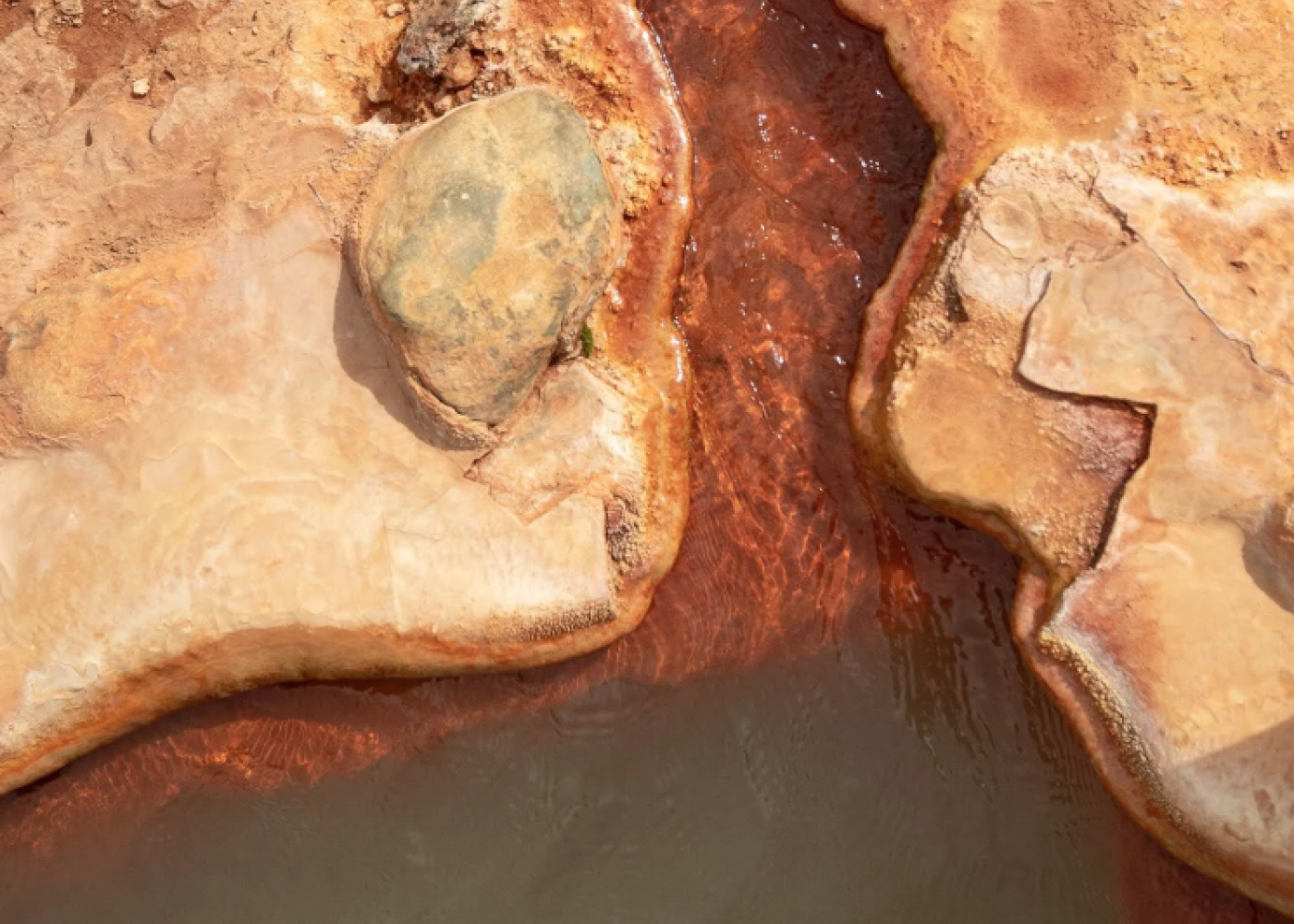
Below Rico’s surface lies significant potential for energy independence. Artesian boreholes drilled decades ago reveal a hot water resource north of town, and recent investigation points to a second hydrothermal anomaly to the south. Geologic features indicate a substantial, untapped geothermal reservoir that could offer Rico energy resilience and greater economic agency.
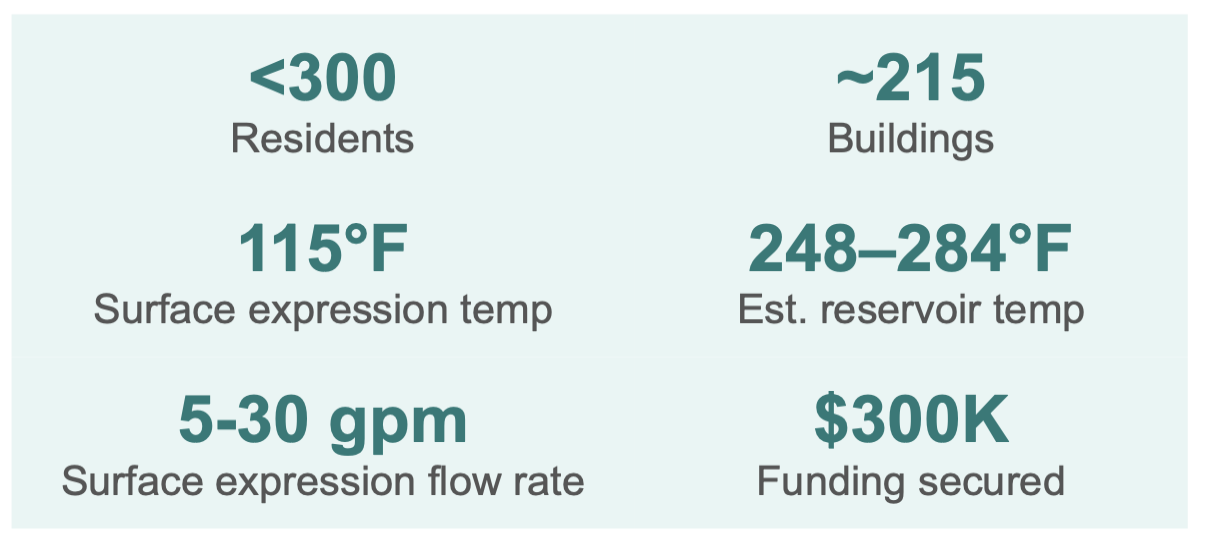
The Rico Geothermal Coalition (RGC), formed in 2022, is exploring Rico’s geothermal resource, researching feasibility of a district heating system that would use a thermal energy network (TEN) to heat the town’s homes and structures (~215 buildings). If this potential is realized, Rico would be the smallest Colorado town to implement such a system, providing a replicable model of community-led geothermal development.
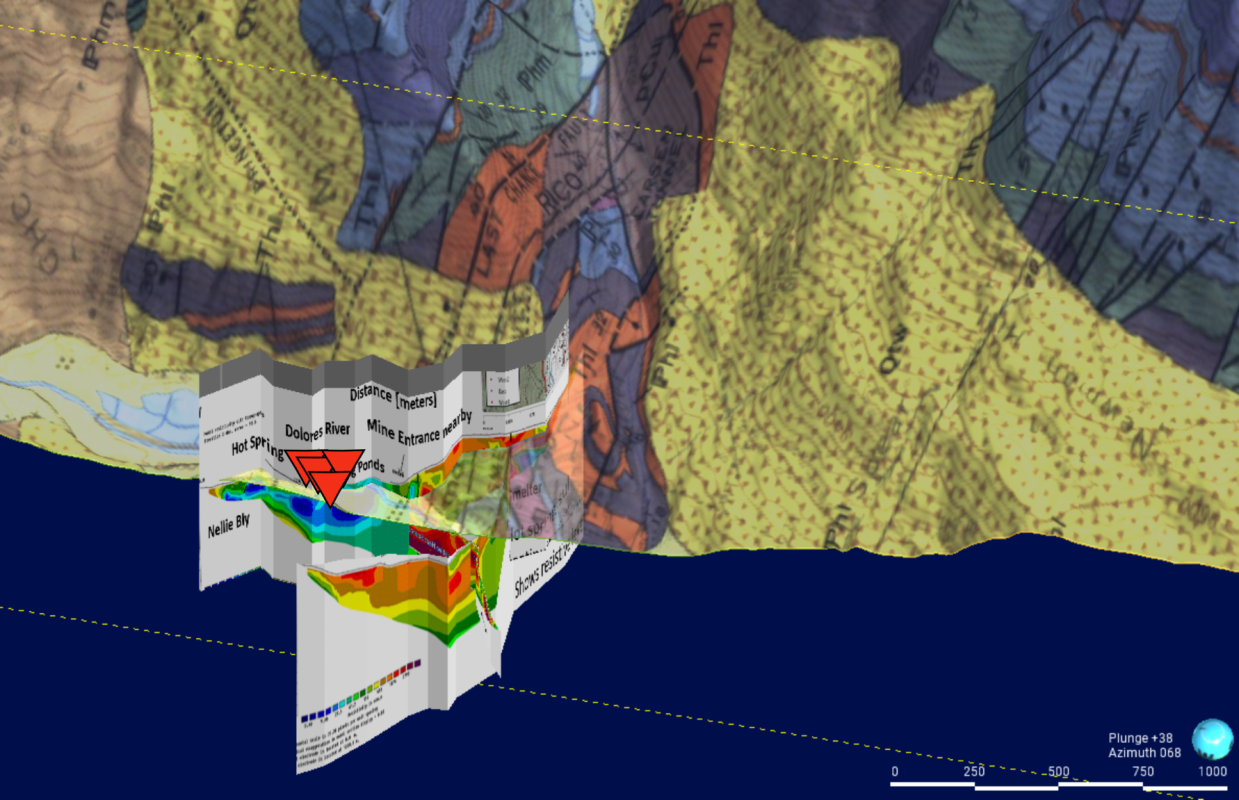
Phase 1 (2024): Funded by a $100K Colorado Energy Office grant, Teverra — a subsurface geoscience and engineering firm — built a 3D integrated model of Rico’s geothermal system synthesizing geology, temperature measurements, geophysical surveys, geochemical analysis, and historic observation.
Teverra developed two conceptual fluid-flow models, both targeting the natural porosity and fracture networks in two promising rock formations: the Leadville Limestone and the Hermosa Formation.
Phase 1 results confirmed these formations as viable reservoir candidates. This research will help RGC pinpoint a favorable location for a test well, reducing financial and technical risk.
Phase 2 (2025–ongoing): A $200K Colorado Energy Office grant funds the drilling of a monitoring well (80–350m depth) north of town and initial district heating network design. Drift Consulting Solutions will manage test well drilling, and the data collected will refine the model and inform next-phase construction decisions.
A 2025 town-wide survey (30% participation) showed strong interest in geothermal development, contingent on cost and preserving Rico's character:
61% interested in geothermal heating for their home
71% favor geothermal for commercial & municipal buildings
77% support integrating geothermal w/other town excavation work
Nearly 60% of residents rely on propane as their primary heat source; 23% rely on wood. Over 30% report their heating system resiliency is questionable when Rico loses power.
A successful Phase 2 opens the path to a locally-sourced, community-owned energy asset. The project could eliminate dependence on imported propane, generate revenue through a heat-distribution model, support workforce development via new economic opportunity, and serve as a blueprint for rural geothermal initiatives.
Phase 1 was made possible by a $100K grant from Colorado Energy Office, which also provided $200K for Phase 2. Drilling and validating a monitoring well in alpine terrain is a capital-intensive undertaking. Phase 2 requires an additional $170K to complete. We are actively seeking funding for the next implementation phases- A comprehensive TEN system design, production well, district heating utility development and construction.
Teverra LLC · Colorado Energy Office · Western Colorado University · Drift Consulting Solutions · Town of Rico · Clear Energy Economy for the Region (CLEER) · Bedrock LLC · San Miguel Power Association · EcoAction Partners ·Rico Land Collaborative · National Laboratory of the Rockies · Honest Architecture LLC