
Proven Drilling Technologies Help Unlock the Next Generation of Geothermal Energy

Enhanced geothermal systems (EGS) are rapidly emerging as one of the most promising sources of reliable, carbon-free baseload power. Unlike solar and wind, EGS resources can generate electricity continuously, providing a dependable complement to intermittent renewable energy sources.
And unlike conventional hydrothermal projects that rely on naturally occurring heat, fluids, and permeability, EGS projects create engineered reservoirs in hot, low-permeability rock. Wells are drilled into deep formations, where stimulation techniques establish pathways for circulating fluid that transport heat back to the surface for electricity generation. Because EGS is not limited to naturally productive geothermal reservoirs, it significantly expands where geothermal energy can be developed.
But this promise comes with new challenges, thanks to the demands EGS plays place on drilling and completion tools. Most EGS projects target hard, abrasive formations several kilometers below the surface, where temperatures routinely exceed 200°C (400°F) and can approach or surpass 300°C (572°F). These environments can accelerate equipment wear and increase mechanical loading on bits, bottomhole assemblies, and surface equipment.
To address these challenges, the geothermal industry is drawing on technologies and expertise developed over decades in oil and gas. NOV is adapting proven drilling systems, digital technologies, and well construction solutions to meet the demands of deeper, hotter geothermal environments and improve drilling performance while reducing risk and cost.
This approach was central to Fervo Energy’s recent appraisal campaign at Project Blanford in Millard County, Utah. Working alongside Fervo, NOV supplied a suite of drilling technologies that helped execute one of the industry’s most technically demanding geothermal drilling programs to date. The following sections review these technologies and how they supported Fervo’s delivery of the hottest geothermal well in the company's history.
At Project Blanford, having continuous access to downhole conditions was essential as the drilling operation progressed into deeper, hotter, and more challenging formation conditions.
NOV’s RigSense™ 4.0 electronic data recorder (EDR) served as the central platform for collecting and visualizing drilling data, continuously capturing key operational parameters including weight on bit, torque, rotary speed, rate of penetration, standpipe pressure, pump rates, and flow volumes.
Together, these measurements provided drilling personnel with a comprehensive picture of mechanical loading and hydraulic performance, allowing teams to identify changing formation responses, optimize drilling parameters, and manage equipment stress as conditions evolved.
The system also created a common operating picture across the rig while supporting collaboration between field and office-based personnel. Integrated with NOV's WellData™ 4.0 information system, drilling data was transmitted in real time to engineering and operations teams located away from the wellsite, enabling technical specialists to evaluate drilling performance using the same information available to rig crews.
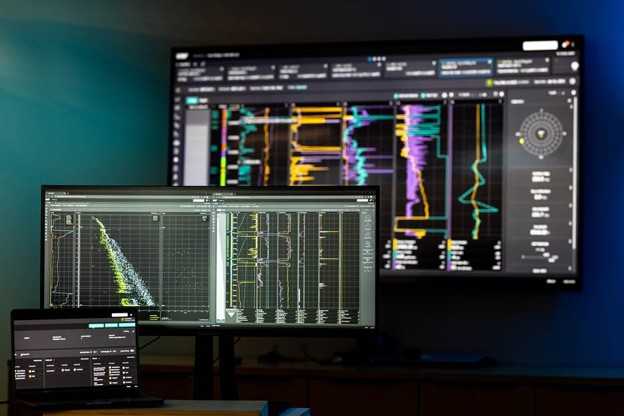
This shared visibility allowed for faster decision-making as drilling conditions changed. This capability becomes increasingly valuable as geothermal wells push into deeper, hotter reservoirs.
Fluid management was equally important throughout the drilling campaign. Beyond transporting cuttings to the surface, drilling fluids were also essential to maintaining wellbore stability, supporting hydraulic efficiency, and assisting in cooling drilling components in the bottomhole assembly.
NOV’s pit volume totalizer (PVT) system continuously monitored pit volumes, inflow and outflow rates, and overall fluid behavior during drilling. The system provided real-time visibility into fluid gains and losses, as well as additional insight into changing downhole conditions.
Maintaining continuous awareness of drilling hydraulics and fluid performance provided another layer of operational confidence as the appraisal well advanced toward its target depth.
While digital systems improved operational awareness, drilling performance ultimately relied on equipment capable of withstanding the demanding geothermal environment.
Before drilling began, NOV worked with Fervo's drilling team to evaluate anticipated formation characteristics and operational objectives for the well. Based on those discussions, NOV supplied drill bits equipped with its ION+™ Fortis™ polycrystalline diamond compact (PDC) cutter technology for the intermediate and production hole sections.
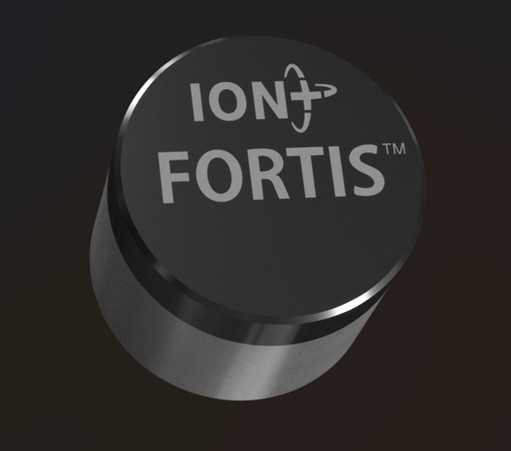
Originally designed for durability in the mechanically demanding, interbedded formations encountered in unconventional oil and gas wells, the ION+ Fortis’s hybrid impact- and abrasion-resistant cutter design combines impact resistance with abrasion resistance—an advantage when drilling hard, heterogeneous geothermal formations.
For Project Blanford, the bit design was further optimized with enhanced cutter technologies, modified blade geometries, and hydraulic improvements that increased cutter cooling and debris evacuation. These engineering modifications helped reduce mechanical loading while preserving cutter durability at elevated temperatures.
Extending bit life is particularly valuable in geothermal drilling, where every trip out of the hole adds time, cost, and additional thermal cycling for drilling equipment. Maximizing footage drilled per bit can contribute to improved project economics.
Field performance indicated the effectiveness of the optimized bit. The PDC bits delivered higher penetration rates, longer run lengths and bit life, and consistent drilling performance throughout much of the well. NOV PDC bits drilled a significant portion of total well footage.
Hard-rock geothermal drilling also generates large volumes of abrasive cuttings that must be removed continuously to maintain drilling fluid properties, protect downstream equipment, and support consistent hydraulic performance.
NOV Alpha™ shakers served as the primary solids-control stage at Project Blanford. Their 7G+ linear-motion design and optimized fluid handling capability helped enable efficient processing of high drilling fluid volumes to maximize cuttings dryness and preserve valuable drilling fluid.
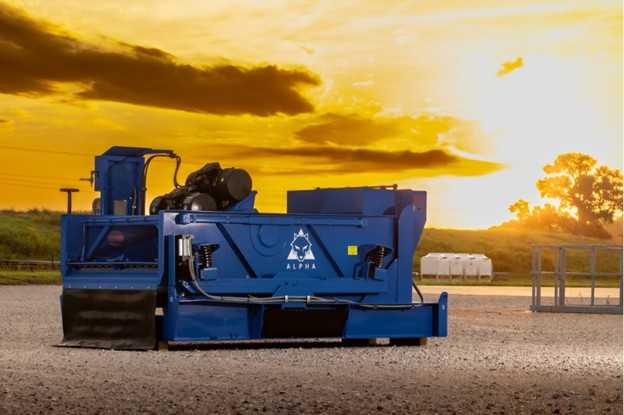
Alpha’s design also incorporated an optimized vibration system that enabled the shaker to operate significantly quieter than conventional systems, contributing to a more comfortable work environment for rig personnel while maintaining solids-processing performance.
Together, NOV’s real-time drilling intelligence, optimized drilling tools, and solids-control systems provided an integrated solution for maintaining drilling performance in one of the industry’s most demanding environments.
Fervo drilled the vertical appraisal well to approximately 3.4 km (11,200 ft), where measured temperatures exceeded 290°C (555°F)—well above the threshold required for commercial geothermal development. According to the company, the well was drilled in fewer than 11 days and established the hottest geothermal well in Fervo's history while confirming an ultra-high-temperature resource capable of supporting a potential multi-gigawatt development.
As enhanced geothermal systems continue moving from demonstration projects toward commercial deployment, the combination of proven drilling expertise and purpose-built innovation will become increasingly important. Project Blanford provides a compelling example of how transferring knowledge and technology across energy sectors can help unlock deeper, hotter geothermal resources and accelerate the delivery of reliable, carbon-free power at scale.
Member Focus articles are a paid member benefit and are provided by the featured Geothermal Rising member. They do not necessarily represent the views or positions of Geothermal Rising. Publication does not constitute an endorsement of the featured company, its products, services, or opinions.