
Solving Energy Poverty Through Geothermal Renaissance

Energy poverty is often described as a problem somewhere else, in poorer countries or in remote communities far from modern infrastructure. In practice, it is much closer and much more common. It appears that anywhere households struggle to afford heating and cooling, public buildings face rising energy bills, and where energy insecurity narrows the choices available to families, schools, clinics, and local businesses.
That human reality matters because access to reliable energy affects more than comfort. It shapes health, educational attainment, workforce participation, and economic stability. When heating and cooling become unaffordable or unpredictable, communities absorb the cost in multiple ways.
Geothermal has a distinctive role in that conversation. Unlike intermittent resources, it can provide stable heat and power around the clock. Egg Geo’s perspective is that this reliability should be understood not only as an engineering achievement, but as a public benefit with direct implications for affordability and resilience.
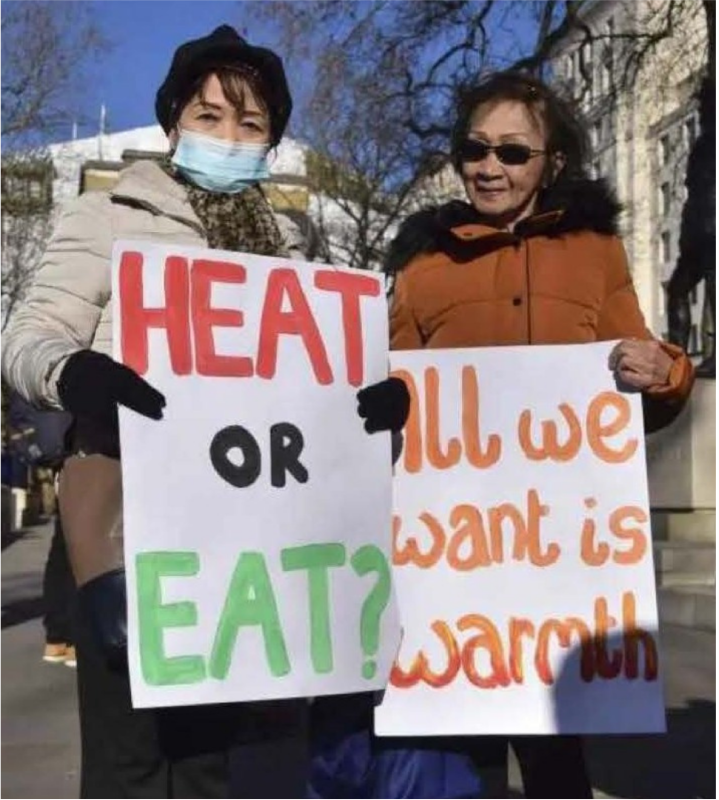
Framing geothermal this way expands the conversation. The value of geothermal is not limited to megawatts, gradients, or drilling performance. It also lies in its ability to stabilize access to an essential service. Clean, dependable thermal energy supports dignity, health, and continuity in ways that are easy to overlook when the industry focuses only on generation.
One of the most practical ways to translate that idea into the built environment is through thermal energy networks. These systems move thermal energy across buildings and districts, sharing heating and cooling loads in ways that can improve system efficiency and reduce long-term cost.
That matters because heating and cooling still receive less public attention than electricity, even though they represent a major share of energy demand. District-scale geothermal and networked thermal systems offer a way to address this gap directly by serving schools, housing, healthcare facilities, campuses, and commercial buildings with more stable and efficient heating and cooling.
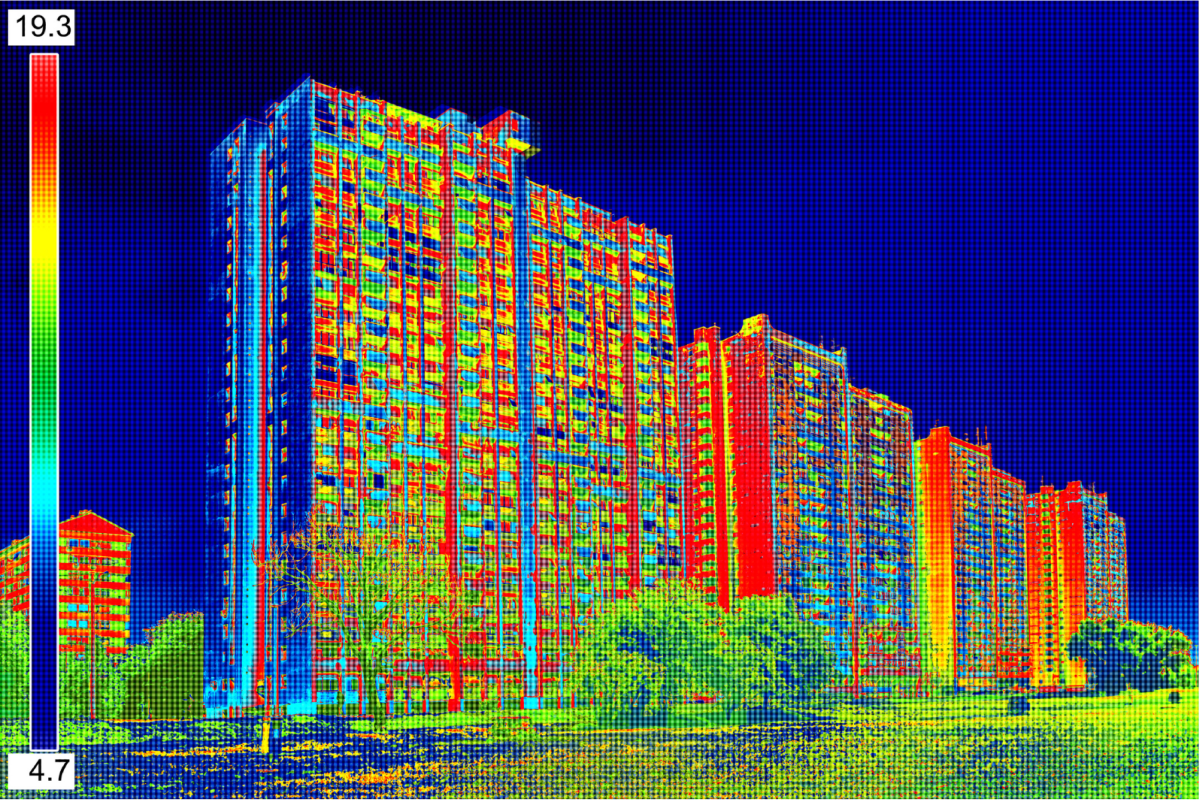
The opportunity is larger than any one technology. In the United States, district geothermal heating remains comparatively limited, while other countries have built much larger thermal systems and achieved far greater average capacity per project. That gap suggests room for growth, especially if the sector can pair proven heat-pump and hydronic approaches with improved design tools, stronger deployment models, and more coordinated policy support.
Egg Geo points to several areas where innovation can help close that gap, including fifth-generation ambient loops, agentic AI design tools, and engineered geothermal systems. The underlying point is not novelty for novelty’s sake. It is that geothermal and thermal infrastructure needs to become easier to design, replicate, and integrate into real communities.
New infrastructure does not materialize because an idea is technically sound. It gets built because trained people know how to design it, install it, commission it, operate it, and maintain it over time.
That makes workforce development central to the geothermal story. If thermal energy networks and next-generation geothermal systems are to expand meaningfully, the sector needs a larger, more skilled labor base that includes drillers, pipefitters, planners, designers, control specialists, utility personnel, and local contractors.
Innovation in geothermal should not be separated from the physical reality of delivery. Technologies such as engineered geothermal systems, advanced heat-pump configurations, and ambient loops may open new opportunities, but they only matter at scale when people are trained to deploy them reliably.
The broader geothermal community already understands part of this challenge. Enhanced geothermal systems, for example, have benefited from knowledge spillover from oil and gas in drilling, well construction, and subsurface engineering. Thermal energy networks may require a similarly intentional effort to build capability across mechanical, civil, utility, and public-sector stakeholders.
No single firm can solve energy poverty, deploy district-scale thermal systems nationally, or establish geothermal as mainstream infrastructure on its own. Progress depends on connected institutions, shared learning, and a stronger ecosystem.
That is where Geothermal Rising and related convenings matter. Events such as the Geothermal Rising Conference and the Thermal Energy Networks Symposium create opportunities for developers, engineers, utilities, policymakers, workforce leaders, and community stakeholders to compare lessons and form deployable partnerships.
This is consistent with Geothermal Rising’s own broader goals around unifying the industry, strengthening community engagement and research, and building the systems needed for long-term growth. The value of those networks is practical. They help move geothermal from isolated pilots and niche demonstrations into repeatable models that can be financed, permitted, built, and maintained.
The ecosystem viewpoint on energy poverty is too large to be addressed with fragmented approaches. It requires alignment between technology providers, local governments, utilities, community advocates, and the workforce that will deliver the projects.
The clean-energy transition can sometimes become overly abstract, measured only in capacity targets or technology roadmaps. Geothermal has the chance to tell a fuller story. Its value is not just that it works underground, but that it can improve life above ground.
Reliable thermal energy can reduce exposure to volatile fuel costs, improve the resilience of housing and public buildings, and expand access to dependable heating and cooling in communities that need it most. That makes geothermal part of a larger public-interest story, not just a technical niche.
Linking four ideas that are too often separated: energy poverty, thermal energy networks, geothermal innovation, and workforce development. Treated together, they point to geothermal systems that are not only technically impressive but also socially meaningful.
The geothermal renaissance will be stronger if it is tied to everyday outcomes rather than just technical ambition. Energy poverty, affordability, and resilience provide a clear test for whether the industry is solving problems that matter.
This article makes three practical points for the Geothermal Rising community:
- Geothermal should be understood as a thermal infrastructure opportunity, not only an electricity story
- Thermal energy networks can help translate geothermal reliability into community-scale benefits
- Workforce development and industry collaboration are essential if these systems are going to scale
Geothermal’s long-term relevance will depend on both innovation and public value. The more clearly the industry connects those two, the stronger its future will be.